From a neighborhood food forest to a large-scale agricultural food forest
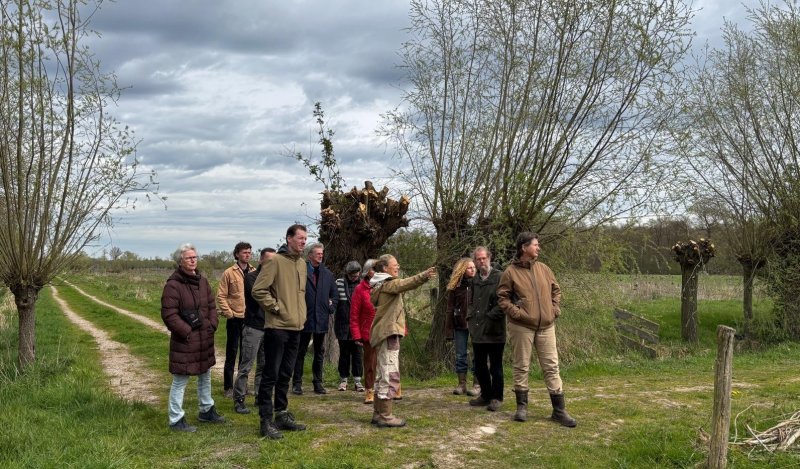
The participating food forests varied greatly from one another. Some had only just been planted, while others had been producing harvests for years. There were small food forests in the middle of residential neighborhoods or backyard gardens, food forests owned by farmers, and larger projects spanning dozens of hectares. The Eemvallei Food Forest, an area totaling 30 hectares, also participated.
This variety led to many different stories. Most sites attracted far more visitors than initially expected. People sometimes traveled from far away for a tour or presentation, but neighbors also discovered for the first time what was growing right near their homes.

National Launch in Amersfoort
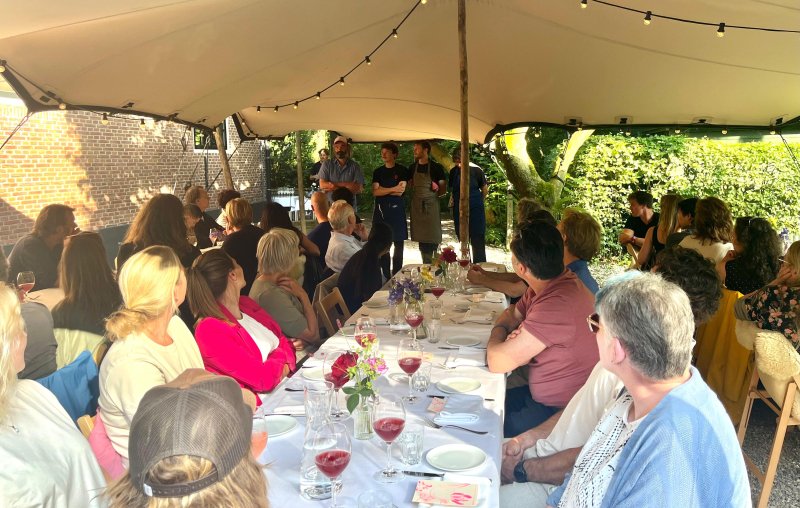
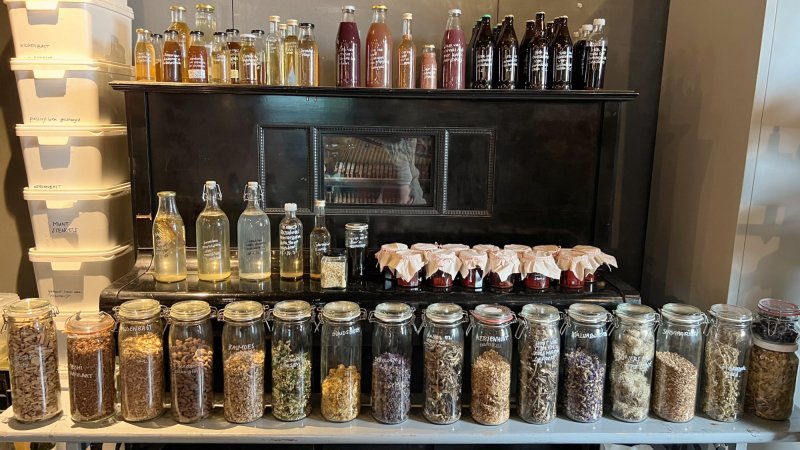
The national kickoff took place at the Amersfoort Food Forest. There, visitors could take guided tours and sample snacks from the food forest. Simon Verboom, one of the authors of *De Voedselbos Keuken* (The Food Forest Kitchen), gave a talk on ways to use edible plants, herbs, berries, nuts, and fruits from a food forest.
Afterward, Josja Veraart, director of the Utrecht Nature and Environment Federation, officially opened the national Open Food Forest Day. In Amersfoort, just as at the other locations, the day demonstrated how food production, biodiversity, and community come together in a food forest.

An open house that leaves you wanting more
The first nationwide edition generated a lot of enthusiastic responses. For many visitors, it was their first introduction to a food forest, while organizers had the opportunity to showcase their sites to neighbors, interested parties, and potential new visitors.
Thank you to all the food forests, volunteers, and organizers who opened their doors, gave tours, shared their harvest, and welcomed visitors. The interest shown on this day demonstrates just how much curiosity there is about food forests. Here’s to the next edition!
Co-organized with Boer&Buur met Natuur
and the Nature and Environment Federations